

For people in California who are waiting for an initial determination from the Social Security Administration, a denial can feel final and overwhelming. When this happens, it is common to wonder: What do you do if your Social Security Claim is denied? It’s crucial to understand your right to an appeal and how that process works, including tight deadlines and strict processes.
Many denials happen even when applicants qualify, leaving many people confused and uncertain. Understanding why claims are denied and what steps follow helps you stay in control and protect your rights to the benefits you need. If you need legal advice regarding a specific claim, contact an experienced Social Security attorney to discuss your concerns.
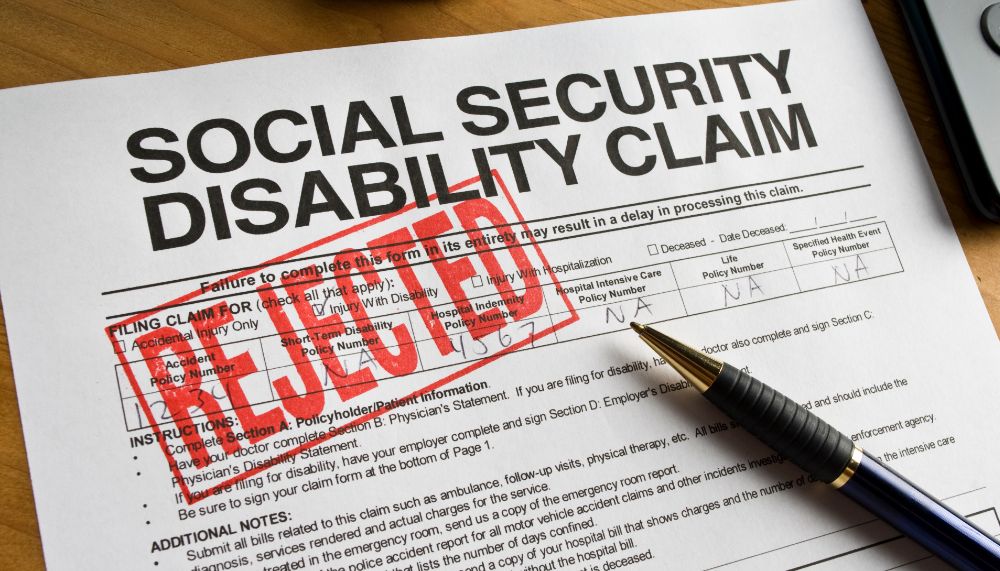
Why Social Security Claims Are Commonly Denied
According to a recent report, approximately 97% of people aged 60 to 80 receive Social Security benefits at some point in their lives, showing how important these benefits are to Americans and how denials can have a negative effect on their lives. Under Social Security laws, denials often occur not because a person lacks a disability but because of technical filing or evidence errors.
One of the most common mistakes after a denial is filing a new claim instead of an appeal. Filing again can reset timelines, eliminate appeal rights, and weaken a case that could have been corrected through reconsideration. Knowing what to do immediately after a denial can help protect your claim. These steps include:
- Review the denial notice carefully
- Make a note of the deadline for appeals
- Avoid filing a new claim too quickly
- Consider seeking advice from an experienced Social Security lawyer
Understanding the Reconsideration Process
Reconsideration allows applicants to correct errors, submit new evidence, and exercise their right to a hearing. In most cases, you have 60 days to appeal a denial, and missing that deadline can end a claim entirely. Good reasons to request reconsideration include missing or incomplete medical evidence, misclassification of work history, and failure to consider the updated diagnosis.
The Social Security Administration (SSA) reviews the case and determines whether additional evaluation is warranted. At that time, the initial determination can be reconsidered, meaning the claim can be assessed again, or upheld, meaning the claim is denied again.
If Your Appeal Is Denied Again: Hire a Social Security Lawyer
A Social Security attorney often becomes critical when you have been denied a second time.
After a Social Security denial, you may feel pressure to wait, regroup, or assume nothing can be done. However, denial is often a part of the claims process, and understanding that helps you preserve your original filing date and increase your chances of receiving back pay.
What you do in the days following a denial can significantly affect the outcome of your claim. Delays can lead to missed appeal deadlines, lost evidence, or confusion about which stage comes next. Ways you can take early action to protect your claim include:
- Organizing your medical records
- Clarifying why your claim was denied
- Avoiding procedural mistakes
If you are unsure about your next steps in a Social Security claim, hire a Social Security lawyer who can give your claim structure, direction, and the chance to move forward with confidence.
FAQs
Q: What Is the Difference Between an Appeal and a Reconsideration for SSDI?
A: The difference between an appeal and a reconsideration for Social Security Disability Insurance (SSDI) is that a reconsideration is one kind of appeal. There are four kinds of appeals for Social Security: reconsideration, a hearing with a judge, a review of the hearing decision, and a federal district court case. So, while a reconsideration is one kind of appeal, not all appeals are reconsiderations.
Q: Why Are Most Social Security Claims Denied?
A: Most Social Security claims are denied because of mistakes or incomplete information in the filing process. This can include misunderstanding eligibility requirements, outdated or missing medical documentation, or simple clerical mistakes. Working with a trusted Social Security attorney can reduce the chances of denial significantly compared to people who file on their own, especially in the case of a denial and the need for an appeal.
Q: Can You Reapply for SSI After Being Denied?
A: You can reapply for SSI after being denied in some situations. Appealing the results is often more successful if you are still within your appeal window. Filing a new claim can reset your timelines, reduce potential backpay, and overlook correctable errors that could have been addressed through the appeal process instead. But if you missed the appeal deadline or your condition has worsened since the initial denial, it may be worth reapplying.
Q: How Long Does It Take to Get an Initial Determination from the SSA?
A: According to the SSA, it takes about 6-8 months to get an initial determination about your SSDI application. However, this can vary considerably based on the nature of the disability involved, whether the initial claim and supporting documentation provide sufficient information, and whether the SSA reviews your application for their own quality monitoring purposes.
Q: Is There a Waiting Period for Social Security Disability Benefits?
A: Yes, there is a waiting period for Social Security disability benefits. In most cases, the waiting period is 5 months, and benefits begin on the sixth month. However, if the recipient has ALS, the waiting period does not apply. In some cases, where the recipient also qualifies for SSI, they may be able to receive SSI payments as early as the first month. Your attorney can clarify which benefits you are eligible for and when to expect payments.
Contact Gade & Parekh, LLP Today
Gade & Parekh, LLP is a Sacramento Social Security law firm that focuses solely on representing clients with Social Security Disability and SSI claims. Our legal team has more than three decades of dedicated Social Security Disability representation, guiding clients through denials, hearings, and appeals. We serve clients throughout California with strategic legal advocacy and thorough case review.
If questions about medical evidence or eligibility are affecting your claim, contact Gade & Parekh, LLP today.